Fall Car Maintenance in North York: The Smart Autumn Checklist for School, Work; Road Trips
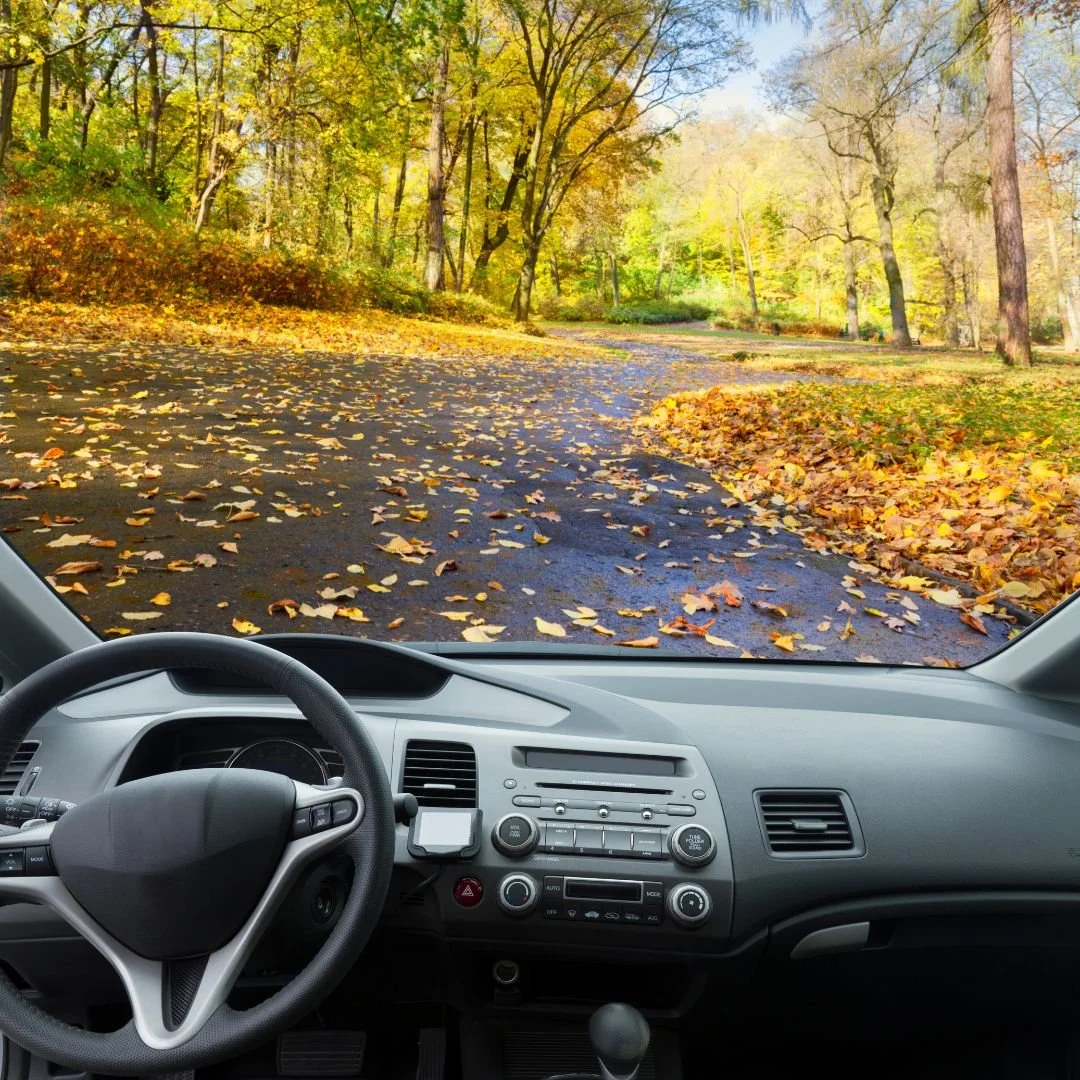
A practical fall car-care guide from Good Tech Auto for North York and Toronto drivers.
Summer has a way of making us forget what is coming.
One week, you're driving with the air conditioning on. A few weeks later, you're leaving home in the dark, the windshield is covered in condensation, the temperature has dropped into single digits, and your car suddenly doesn't start as confidently as it did in August.
That's why fall car maintenance isn't simply about preparing for colder weather. It's about catching what summer left behind before winter makes it worse.
For families, September and October also mean school drop-offs, commuting, after-school activities, weekend trips, and more time driving in darkness, rain, and changing temperatures.
At Good Tech Auto in North York, we think of autumn as your vehicle's transition season: the ideal time to inspect, maintain, and prepare your car before Toronto's winter driving conditions arrive.
Quick Answer: How Do I Prepare My Car for Fall?
Before fall and winter driving, check your:
- Tires and tire pressure
- Brakes
- Battery and charging system
- Engine oil
- Coolant and cooling system
- Windshield wipers and washer fluid
- Headlights, brake lights, and turn signals
- Heating and defrosting system
- Belts and hoses
- Suspension and steering
- Fluid levels
- Emergency supplies
For North York and Toronto drivers, fall is also the time to inspect winter tires and plan their installation before consistently cold temperatures and the first snowfall create the annual rush.
Why Fall Car Maintenance Matters More Than You Think
Fall creates a unique mix of driving conditions.
Mornings can be cold, while afternoons stay relatively warm. Daylight becomes shorter. Rain and fallen leaves can make roads slippery. Tire pressures begin changing with temperature. Your battery has to prepare for increasingly difficult cold starts.
And then there is the biggest reason:
Winter is coming.
A battery that is marginal in September may struggle once temperatures fall. A small coolant leak can become much more important in January. Wipers that were merely annoying in summer can become a visibility problem in freezing rain.
Fall gives you something winter doesn't always provide: time to deal with these problems before they become emergencies.
The Good Tech Auto Fall Vehicle Checklist
| What to Check | Why It Matters in Fall | Warning Signs | What to Do |
|---|---|---|---|
| Tires | Temperatures fall and wet- and cold-road traction becomes increasingly important. | Low pressure, cracks, uneven wear, low tread. | Check pressure, tread depth, age, and overall condition. |
| Winter Tires | Summer and conventional all-season tire compounds become less effective as temperatures fall. | Reduced cold-weather grip or worn tread. | Inspect winter tires and plan installation before the seasonal rush. |
| Battery | Cold weather places greater demands on a weakening battery. | Slow starting, dim lights, intermittent electrical problems. | Test the battery and charging system. |
| Brakes | Rain, wet leaves, frost, and eventually snow increase the importance of predictable braking. | Noise, vibration, pulling, warning lights, or changed pedal feel. | Inspect pads, rotors, calipers, and the braking system. |
| Coolant | Coolant protects the engine against overheating, freezing, and corrosion. | Low coolant, leaks, unusual temperature readings. | Test coolant and inspect the cooling system. |
| Wipers | Autumn means more rain, darkness, road spray, and dirty windshields. | Streaking, skipping, squeaking, or poor clearing. | Replace worn blades. |
| Washer Fluid | Summer washer fluid may not provide suitable freeze protection. | Weak spray or inappropriate seasonal fluid. | Switch to winter-rated washer fluid before freezing temperatures. |
| Lights | Shorter days mean more driving in darkness. | Dim, cloudy, flickering, or non-working lights. | Inspect headlights, brake lights, and signals. |
| Heating & Defrosting | Clear windows are essential for visibility during colder, damp weather. | Slow defrosting, weak heat, or persistent fogging. | Inspect the heating and defrost system. |
| Oil & Fluids | Proper lubrication and correct fluid levels support reliability in changing temperatures. | Warning lights, visible leaks, or overdue maintenance. | Follow manufacturer-recommended service intervals. |
| Suspension & Steering | Summer trips and Toronto road conditions may have caused wear or alignment issues. | Pulling, clunking, vibration, or uneven tire wear. | Inspect steering, suspension, tires, and alignment. |
| Belts & Hoses | Aging rubber components may become less forgiving as temperatures change. | Cracks, leaks, squealing, bulging, or deterioration. | Inspect and replace when necessary. |
The 7°C Reminder: Don't Wait for Snow to Think About Winter Tires
One of the most useful fall-maintenance numbers for Canadian drivers is 7°C.
As temperatures fall below approximately 7°C, summer and conventional all-season tires begin losing elasticity and traction. Winter tires are designed to remain more flexible in colder temperatures.
That means the best question isn't:
"Has it snowed yet?"
It's:
"Are temperatures consistently getting cold enough that my winter tires will perform better?"
Don't wait until the forecast announces the season's first major snowfall and thousands of other Toronto drivers try to book tire appointments at the same time.
Your Tires Lose Pressure as Fall Temperatures Drop
Here's a fall problem many drivers don't notice until the tire-pressure warning appears.
As outdoor temperatures decrease, tire pressure decreases too. That means the pressure that was correct during a hot August afternoon may no longer be correct on a cold October morning.
Underinflated tires can affect handling, tire wear, and fuel consumption.
Check tire pressure monthly and more frequently during significant seasonal temperature changes. Always use the vehicle manufacturer's recommended tire pressure, not the maximum pressure printed on the tire.
Learn more about our tire services in North York and wheel alignment services.
Your Battery Passed Summer. Will It Pass Winter?
A car battery can be a little deceptive.
It may start the vehicle perfectly well throughout September while already losing the capacity it will need during much colder weather.
That's why fall is an excellent time for a battery and charging-system test, particularly if you've noticed:
- Slower starting
- Headlights dimming during startup
- Electrical accessories behaving unusually
- Battery-terminal corrosion
- A battery that has already been in service for several years
Back to School Means Back to Stop-and-Go Driving
Fall vehicle preparation isn't only about weather.
For many North York families, September changes how they use their vehicle.
Suddenly the car is doing: home → school → work → school → activities → groceries → home.
That's a very different driving pattern from a long summer highway trip.
Frequent short trips and stop-and-go traffic can mean more braking, more starts, and less time for the vehicle to reach efficient operating temperatures.
If your family's driving schedule becomes much busier in September, fall is a sensible time to check brakes, tires, battery condition, fluids, and overdue maintenance.
Are Your Brakes Ready for Wet Leaves, Rain and Eventually Snow?
Brakes don't suddenly become important when snow arrives.
Fall introduces wet pavement, fallen leaves, colder mornings, and reduced daylight—and predictable braking becomes increasingly important.
Have the brakes inspected if you notice:
- Squealing or grinding
- Steering-wheel or pedal vibration while braking
- Pulling during braking
- A change in brake-pedal feel
- Longer stopping distance
- Brake warning lights
A Money-Saving Reason to Inspect Brakes Early
Brake maintenance also helps prevent one repair from becoming a bigger one. Catching worn components at the appropriate time may help prevent additional damage and unnecessary repair expenses.
Explore our brake inspection and repair services in North York.
Don't Forget Your Cooling System Just Because Summer Is Over
Drivers often associate coolant with summer overheating.
But engine coolant and antifreeze have responsibilities in both hot and cold weather.
The cooling system helps regulate engine temperature while properly specified coolant also provides freeze and corrosion protection.
Fall is a good time to inspect:
- Coolant level and condition
- Radiator
- Radiator and heater hoses
- Water pump
- Thermostat
- Visible coolant leaks
If coolant keeps running low, don't just keep topping it up. The reason it's disappearing needs to be found.
Learn more about radiator and cooling-system repair in North York.
Autumn Visibility: The Maintenance Category Drivers Forget
Picture a November commute in Toronto.
It's dark. It's raining. The windshield is dirty from road spray. Headlights are reflecting off wet pavement.
Now imagine doing that with worn wipers and a weak washer system.
Visibility is vehicle maintenance too.
Before late fall, inspect your:
- Wiper blades
- Windshield washer system
- Winter-rated washer fluid
- Headlights
- Brake lights
- Turn signals
- Defroster
Does Your Heater Matter Before Winter?
Yes—and not only because you want to be warm.
Your vehicle's heating and defrosting systems play an important role in keeping the windshield clear.
If the vehicle takes unusually long to produce heat, the windshield doesn't clear properly, or windows constantly fog, have the problem investigated before freezing weather arrives.
Sometimes a change in heater performance can also provide an early clue to a cooling-system problem.
The Fall Road-Trip Check: Don't Assume Summer Maintenance Still Covers You
Maybe you're heading north to see the fall colours. Maybe you're visiting family for Thanksgiving. Maybe it's a weekend hockey tournament.
Whatever the destination, autumn road trips deserve the same preparation as summer trips—especially because weather conditions can change rapidly.
Before travelling, check:
- Tires and tire pressure
- Brakes
- Battery
- Engine oil and fluids
- Coolant
- Lights
- Wipers
- Heating and defrosting
- Spare tire or vehicle-specific tire mobility equipment
Fall Car-Care Myths: True or False?
"I'll install winter tires when it snows."
Not the best strategy. Temperature matters—not simply whether snow is on the ground. Plan your seasonal tire changeover as temperatures become consistently colder.
"My battery worked all summer, so it's fine."
Not necessarily. A weakening battery can continue starting a vehicle in mild weather but struggle when colder conditions increase starting demands.
"Coolant is mainly a summer issue."
False. Your cooling system matters year-round, and properly specified coolant provides essential cold-weather protection.
"No dashboard warning lights means my car doesn't need maintenance."
False. Tires, brakes, wipers, suspension components, and many other wear items can require attention without triggering a warning light.
"I can tell whether my tires are good just by looking at them."
Not reliably. Tread depth, inflation pressure, age, physical condition, and wear pattern all matter.
A Simple Fall Maintenance Timeline for Toronto Drivers
September: Recover From Summer
- Check engine oil and scheduled maintenance
- Inspect tires
- Inspect brakes
- Test the battery
- Check suspension and steering
- Check all fluid levels
October: Prepare for Cold
- Inspect winter tire condition
- Test the battery
- Check coolant protection and cooling-system condition
- Inspect wipers
- Switch to appropriate washer fluid
- Inspect lights
- Check heating and defrosting performance
Before Consistently Cold Weather
- Complete winter tire changeover when appropriate
- Use winter-rated washer fluid
- Prepare your roadside emergency kit
- Address battery or cooling-system concerns
- Complete maintenance you've been postponing
The goal is simple: Don't let the first winter storm become your maintenance reminder.
Fun Facts for Smarter Fall Driving
Did You Know? Tire Pressure Can Affect Your Fuel Bill
Proper tire inflation isn't only about tire life and handling. Underinflated tires increase rolling resistance, which means your vehicle has to work harder.
Did You Know? Cold Weather Can Affect Fuel Economy
Fuel consumption can increase in colder conditions because engines take longer to reach operating temperature, electrical demands increase, and winter roads can create additional rolling resistance.
Did You Know? Your Car Usually Doesn't Need a Long Winter Warm-Up
For most modern vehicles, extended idling is unnecessary. After starting and allowing the engine to stabilize, gentle driving typically warms the engine and drivetrain more efficiently. Always follow your owner's manual for vehicle-specific recommendations.
People Also Ask: Fall Car Maintenance Questions
What maintenance should I do on my car in the fall?
A fall vehicle inspection should cover tires, brakes, battery, coolant, engine oil, lights, wipers, washer fluid, heating and defrosting, belts, hoses, steering, and suspension. Fall is also an ideal time to review your manufacturer's maintenance schedule and prepare winter tires.
When should I put winter tires on in Ontario?
Don't base the decision solely on snowfall. Winter tires become increasingly useful as temperatures become consistently cold because their compounds are designed to remain flexible in lower temperatures. Planning the changeover before the first major snowfall also helps avoid the seasonal appointment rush.
Why did my tire-pressure light come on when the weather got colder?
Air pressure inside tires changes with temperature. As fall temperatures decrease, tire pressure may drop enough to trigger the tire-pressure monitoring system. Check all tires with an accurate gauge and adjust them according to the vehicle manufacturer's specification.
Should I test my car battery before winter?
Yes. Fall battery testing can identify a weakening battery before colder temperatures make starting more demanding. This is particularly useful for older batteries or vehicles already showing slower starting or electrical symptoms.
What fluids should I check before winter?
Check engine oil, coolant or antifreeze, windshield washer fluid, and other manufacturer-specified vehicle fluids. Requirements and replacement intervals vary by vehicle, so follow your owner's manual rather than a universal schedule.
Why is my car heater not getting warm?
Weak cabin heat can have several causes, including cooling-system or climate-control problems. Because the heating and defrosting system also contributes to visibility, unusual heater performance should be diagnosed before winter.
Should I get my brakes checked before winter?
Fall is an excellent time for a brake inspection. Wet pavement, frost, snow, and ice make predictable braking particularly important. Noise, vibration, pulling, warning lights, or a change in pedal feel are reasons to have the brakes inspected promptly.
How often should I check tire pressure in fall?
Check tire pressure at least monthly and consider checking more frequently during significant temperature changes. Measure pressure according to your vehicle manufacturer's recommendations.
Do I need four winter tires?
Four matching winter tires are recommended because consistent traction at all four wheels helps maintain vehicle stability and control. Mixing winter and non-winter tires may create different grip levels between axles.
How do I prepare my car for a fall road trip?
Check tires, brakes, battery, fluids, coolant, lights, wipers, heating and defrosting, and overdue maintenance. If you're travelling farther from home, pack emergency supplies and check road and weather conditions before you leave.
Why does my windshield keep fogging in fall?
Cool, humid fall weather can cause moisture to condense on glass. Use the vehicle's defrost system and air conditioning as designed to control humidity. Persistent or unusual fogging may warrant inspection, particularly if accompanied by unusual smells or other symptoms.
Is fall a good time for an oil change?
It can be, but oil changes should primarily follow the interval specified by your vehicle manufacturer or maintenance-monitoring system. If your oil service is approaching its due date, completing it before winter is convenient preventive maintenance.
Should I inspect my suspension before winter?
Yes, particularly if you've encountered potholes, rough roads, or long summer trips. Clunking, pulling, steering vibration, uneven tire wear, or changes in handling may indicate a steering, suspension, tire, or alignment problem.
What should I keep in my car for winter?
Useful emergency supplies include warm clothing or a blanket, flashlight, booster cables, shovel, traction aids, windshield washer fluid, and other appropriate roadside supplies. Fall is the best time to prepare the kit rather than waiting for severe weather.
Is a fall vehicle inspection worth it?
For many drivers, yes. A seasonal inspection can uncover wear, leaks, weak batteries, tire problems, and overdue maintenance before colder weather increases the inconvenience or consequences of a failure.
The Good Tech Auto Approach: Maintain the Car Before It Asks for Help
One of the most expensive maintenance strategies is waiting for something to break.
A warning light is useful—but it isn't a maintenance schedule.
A car can have worn brakes, deteriorating tires, a weak battery, a small coolant leak, or suspension wear without displaying a warning on the dashboard.
At Good Tech Auto, our approach is straightforward:
Find developing problems. Explain what they mean. Separate what needs attention now from what can be monitored. Help the customer make an informed decision.
That's particularly valuable during fall, when there's still time to prepare before Toronto's most demanding driving season.
Fall Car Maintenance in North York: Get Ready Before Winter Gets Here
Between school runs, work commutes, weekend activities, and fall road trips, your vehicle may be busier now than it was during summer.
Give it a little attention before winter asks more from it.
Good Tech Auto provides fall vehicle maintenance and auto repair in North York, including:
- Oil changes
- Brake inspections and repair
- Battery testing and replacement
- Tire service and seasonal tire changeovers
- Wheel balancing and alignment
- Cooling-system and radiator service
- Suspension and steering repair
- Engine diagnostics
- Heating and climate-control diagnostics
- Pre-trip and pre-purchase inspections
Good Tech Auto Centre — North York, Toronto
Call 416-739-1717 to schedule your fall vehicle inspection or maintenance service.
Prepare in fall. Drive confidently into winter.
